At a glance
Dongchongxiacao concerns a caterpillar–fungus complex, not ordinary tea leaves. Identify the actual species and finished product before treating something sold as cordyceps tea as an everyday infusion.
| Detail | What to know |
|---|---|
| Chinese name | 冬虫夏草茶 |
| Browsing group | Herbal infusion |
| Associated origin | Nagqu, Tibet is the inherited source association; other plateau sources exist |
| Material form | Fungus–caterpillar material or a differently specified commercial preparation; not tea leaves |
Taste and appearance
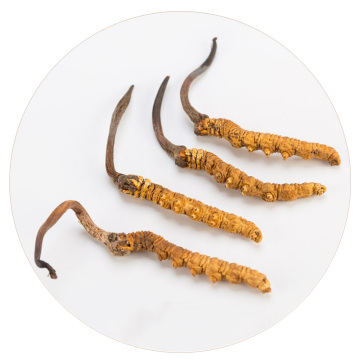
The old comparison describes long full firm bodies with clear ring markings, a colour gradient along the fungal growth, clean yellow colour, an apricot-yellow or pale-yellow liquid and a buttery aroma with a lightly fishy taste. Those descriptions are retained as an old material comparison, not a purity or origin test. The cup and soaked-material pictures are original contextual illustrations without an authenticated tasting sample.
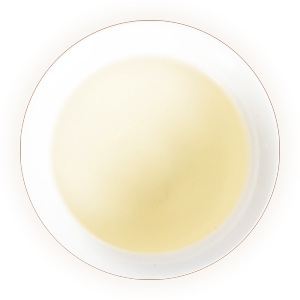
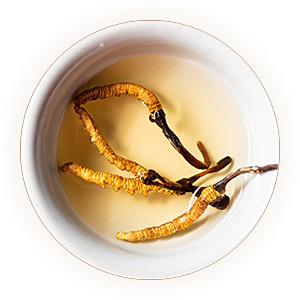
The cover is the original material illustration. These images are not TeaPlain tasting samples or proof of origin, grade, age, authenticity or image rights clearance.
Grade characteristics
This preserves the earlier Chinese edition’s sensory comparison. It is not a complete verified current standard table and does not grade your packet. Plant material, growing area, processing and grade are separate details. Decorative star rankings are omitted.
On a small screen, scroll the table sideways to compare the grades.
| Feature | Extra grade (old comparison) | Grade 1 (old comparison) |
|---|---|---|
| Shape | Firm full long bodies, clear rings, lustrous appearance and distinct colour gradient in fungal growth | Fairly full clearly shaped long bodies with clear rings and colour gradient |
| Dry colour | Clean lustrous yellow | Lustrous yellow |
| Liquid | Bright apricot-yellow | Pale yellow |
| Aroma | Strong buttery impression | Strong buttery impression |
| Taste | Fresh with a fishy note | Light fishy note |
| Soaked material | Full and bright | Even and thick |
These inherited comparisons are not a complete verified current product standard. Appearance and cup colour cannot authenticate plant identity, source, purity or food suitability.
Names and origin
Ophiocordyceps sinensis is associated with the fungus–caterpillar complex described here; the old incomplete Sacc wording is not used as a full modern scientific name. Cultivated fungal products, extracts and different cordyceps-labelled species are not automatically the same material. The inherited Nagqu/Yushu comparison and altitude story do not establish one universally superior origin or authenticate a packet by yellow colour. A published Chinese court account treated adding dongchongxiacao to ordinary food as impermissible under the rules considered in that case. Do not infer ordinary-food status or suitability in another jurisdiction from the word tea.
Everyday benefits
The old kidney, lung, bleeding, sedation, anticonvulsant and fever claims are not established for this cup. Research on specific cordyceps preparations, patients or laboratory models is not proof that a homemade infusion treats disease or improves immunity or sleep.
Who may enjoy this tea
For readers identifying an existing labelled product and its intended use. This page does not recommend buying raw specimens as an everyday tea or treating cough, poor sleep, immune problems or kidney disease.
When to take care
Seek advice before use with blood thinners or medicines that lower blood sugar; cordyceps preparations may interact with them. Do not use an unknown species, raw specimen or product without clear intended use. Pregnancy, children and medical conditions require advice about that particular preparation. If taking medicines or Iron supplements, follow their instructions and ask a pharmacist about the actual product rather than assume that all herbal drinks have the same interactions. Pregnancy, breastfeeding, allergies and suitability for children need the identified ingredients and preparation; this page gives no medicinal dose.
How to brew
Product identity and intended use first
The old prose proposed a glass/porcelain cup, 1:50, 90–100°C, refill at one-third and three infusions, without a first steep time or a separately measured Actual water amount. It remains an archival account awaiting hands-on testing, not adopted advice for a caterpillar–fungus product. Follow professional advice and the identified product’s intended use; no medicinal dose or raw-consumption recommendation is supplied.
Read the original illustration separately
Archival picture, not adopted instructions: one panel says an insulated water pot, 80–90°C / 176–194°F and 1–3 specimens per refill, without specimen weight or Actual water. Other panels promote chicken soup, alcohol soaking and eating raw. The combined graphic is withheld: those are different preparations, and raw eating or an absorption-superiority claim is not established by this article.
For ordinary teaware options, see brew without a gaiwan. Keep each complete method together instead of selecting temperature, dose and time from different preparations.
Adjust your cup
Identify the ingredients and follow the actual food product’s complete preparation instructions first. Once that is clear, adjust within those directions for taste. Do not increase the dose or boiling time of unknown plant material to make it suitable for drinking.
How to buy
Verify species/material, producer, intended product category, source evidence, dates, storage and complete directions. High prices and ring markings do not prove identity or permission for ordinary food use.
See buy your first Chinese tea for packet comparisons.
China price reference
Undated figures retained from the Chinese edition, in Chinese yuan (CNY). No original brand, batch, harvest or quotation date was recorded. These are not verified current retail quotes, a market average or manufacturer-suggested retail prices.
| Chinese-edition tier | CNY per 500 g (one jin) | Equivalent CNY per 100 g |
|---|---|---|
| Extra grade | 50,000 | 10000 |
| Grade 1 | 26,000 | 5200 |
Per 100 g is an arithmetic conversion, not a quoted packet. Do not infer a missing sensory or price tier. Compare actual growing area, style, harvest, roast, weight and channel. A currency conversion does not make a UK or US retail offer comparable to a China historical figure.
How to store
Original storage method
The original stores material in a dry sealed container, in a cool dry place protected from moisture, mould and insects. Follow the identified product’s instructions and dates; the archive does not establish a universal shelf life or demonstrate that home storage resolves uncertain identity or safety.
Origin, processing and history
The old chart labels collection, soil removal, an unclear printed cleaning term, and sun drying. It is not evidence of microbial safety, exact species or a validated processing method. No home cleaning, raw-eating or alcohol-soaking procedure is adopted here.
Common questions
Is cordyceps tea an ordinary leaf tea?
No. The source concerns a fungus–caterpillar material, and marketed products can differ in species, processing and regulatory status. Obtain professional advice about the actual product rather than follow a generic tea ratio.
Can I move one number from this recipe into a different vessel?
Keep leaf form, measured dose and actual water, temperature, timing and separation together. Nominal capacity or a fill fraction is not a measured ratio.
Compare Goji Berry Tea, or browse the herbal infusion overview.
Editorial notes and updates
Updated 16 October 2026. Valid original descriptions, sensory comparisons, prose and image methods, storage handling, China price figures and usable pictures are retained with their scope. Doubtful medical, ranking and exact historical claims are revised or omitted. Current full grade clauses and historical prices are not certified. Original Chinese-labelled graphics have English reading notes; no TeaPlain tasting or brewing test is claimed. Internal research and image audits record the decisions.