Skip to content

Related browsing group

Herbal & fruit infusions

Distinguish herbal infusions from Camellia sinensis tea and check the actual blend.

By TeaPlain · Overview checked

What is an herbal infusion?

Herbal and fruit infusions use plants or plant parts other than Camellia sinensis, such as flowers, leaves, roots or fruit. They may be called tisanes. The older Chinese directory label is 代用茶, often translated literally as “substitute tea.”

This is a browsing group for different ingredients, not one of the six basic tea families and not a single recipe or health category.

Read the ingredients first

A blend may combine herbs or fruit with tea leaves. Do not assume a product is caffeine-free just because “herbal” or a flower name appears on the front. Check the full ingredients and product information, or ask the maker when it is unclear.

Jasmine tea is a useful comparison: tea scented with jasmine is not the same thing as an infusion made only from flowers.

Before preparing an unfamiliar blend

Use the individual English ingredient guides below to check the scope of a named product. Confirm that the product is intended as a food drink and use its preparation directions. A method written for Longjing, black tea or oolong is not automatically appropriate for a different ingredient blend.

If you cannot identify the contents, use the questions in the first-packet guide before drinking it. This page does not recommend herbs to treat symptoms or identify wild plants for consumption.

Common question

Does “herbal” guarantee that it suits everyone?

The label describes ingredients, not a personal suitability assessment. Read product warnings and, if you need advice about a particular ingredient alongside a medicine or condition, ask a qualified health professional about that product.

About this overview

Overview checked 16 October 2026. This page explains category names and reading choices; it does not assess a particular packet or report a TeaPlain brewing test. Individual English guides below have their own editorial notes and preparation conditions.
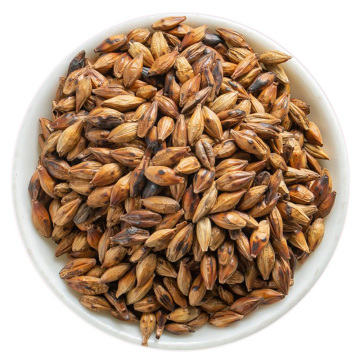
Tea guides in English

51 guides available in English.

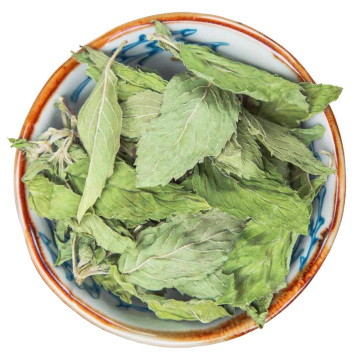
Mint Leaf Tea

Mint-leaf infusion and green tea with mint are different drinks.

Read the English guide →

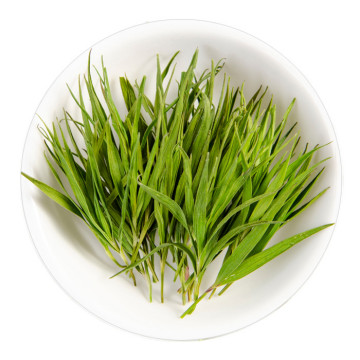
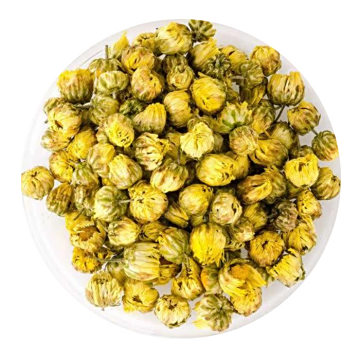
Roasted Barley Tea

Barley tea is a roasted-grain infusion, distinct from Camellia sinensis tea.
Read the English guide →

Dingxiang Leaf Tea

Dingxiang is an ambiguous Chinese plant name.

Read the English guide →

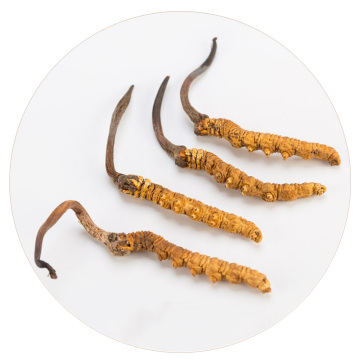
Cordyceps Tea

Dongchongxiacao concerns a caterpillar–fungus complex, not ordinary tea leaves.

Read the English guide →

Winter Melon and Lotus Leaf Tea

This is a product-blend name, not one fixed three-ingredient recipe.

Read the English guide →

Eucommia Leaf Tea

Duzhong leaf tea uses leaves of Eucommia ulmoides, distinct from bark, seed oil or male flowers.

Read the English guide →

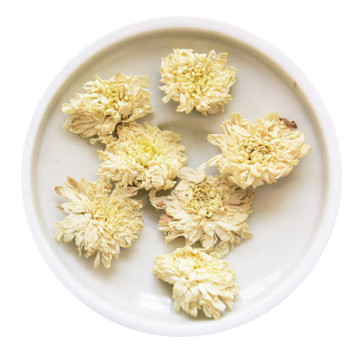
Huangshan Gongju

Gongju is a white chrysanthemum flower product associated with Huangshan/Shexian.

Read the English guide →

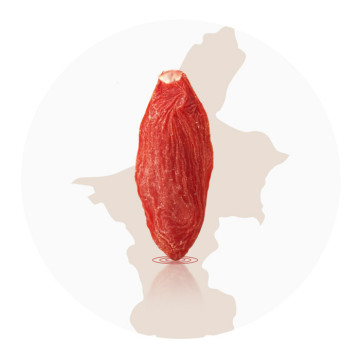
Goji Berry Infusion

Goji infusion uses berries rather than tea leaves.

Read the English guide →

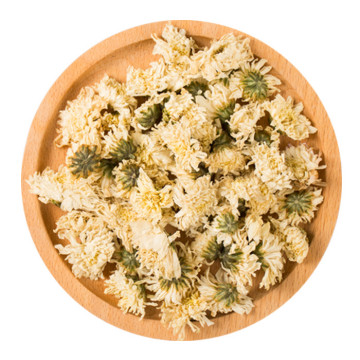
Hangbaiju

Hangbaiju is a white chrysanthemum product strongly associated with Tongxiang.

Read the English guide →

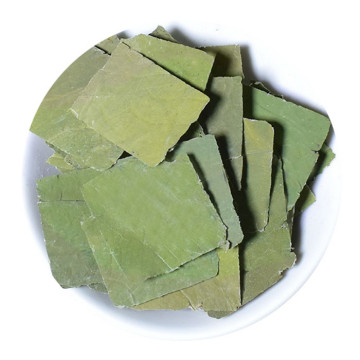
Lotus Leaf Tea

Lotus-leaf infusion uses an identified leaf product, distinct from lotus seeds, embryos or a multi-ingredient wintermelon blend.

Read the English guide →

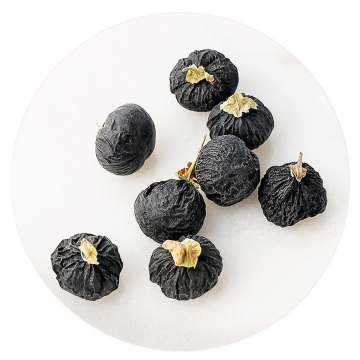
Black Goji Infusion

Black goji concerns Lycium ruthenicum fruit, distinct from red-goji products.

Read the English guide →

Black Tartary Buckwheat Tea

Black tartary buckwheat tea is a processed buckwheat infusion, separate from Camellia sinensis tea and from ordinary barley tea.

Read the English guide →

Huoshan Dendrobium

Huoshan dendrobium can refer to a regional trade grouping or to named botanical material.

Read the English guide →

Jiaogulan Tea

Jiaogulan is a separate botanical drink, not Panax ginseng or Camellia sinensis tea.

Read the English guide →

Jinbian Rose Tea

Jinbian is a rose trade/cultivar name used for dried flower products.

Read the English guide →

Jinsi Huangju

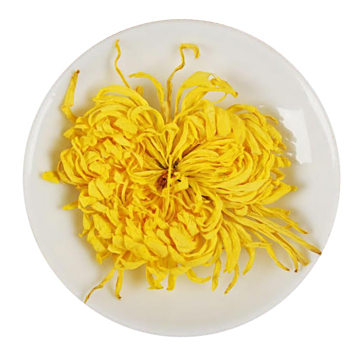
Jinsi Huangju is a large golden-flowered chrysanthemum product.

Read the English guide →

Honeysuckle Flower Tea

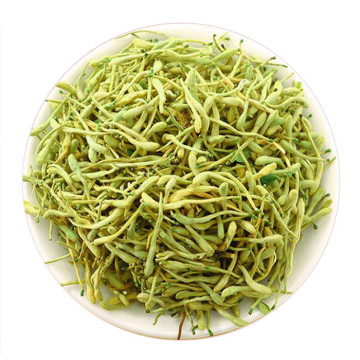
Jinyinhua products concern identified flower material, not every ornamental honeysuckle plant or its berries.

Read the English guide →

Calendula Flower Tea

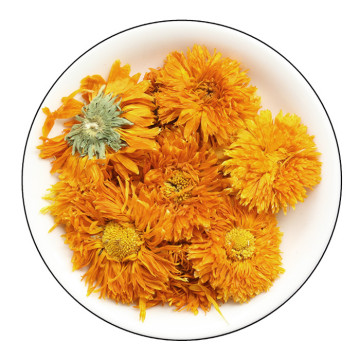
Calendula officinalis is the named flower in the old article.

Read the English guide →

Chicory and Gardenia Blend

This entry describes a chicory-and-gardenia herbal blend, not plain roasted chicory root coffee.

Read the English guide →

Cassia Seed Tea

Juemingzi is a seed product, not cinnamon cassia bark or any unidentified senna plant.

Read the English guide →

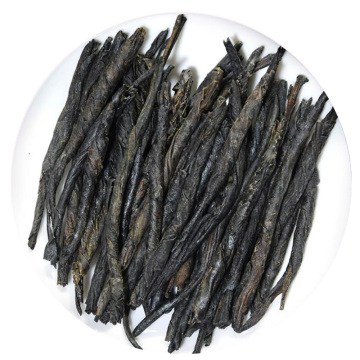
Large-leaf Kuding Tea

This entry concerns large-leaf holly-type kuding, distinct from small-leaf products sold under the same bitter-tea name.

Read the English guide →

Tartary Buckwheat Tea

Tartary buckwheat tea is a processed-grain drink, not rice tea or Camellia sinensis tea.

Read the English guide →

Kunlun Snow Chrysanthemum

Kunlun snow chrysanthemum is a trade name associated with Coreopsis tinctoria.

Read the English guide →

Luobuma Leaf Tea

Luobuma is a leaf product associated with Apocynum venetum.

Read the English guide →

Monk Fruit Tea

Monk fruit tea uses prepared dried fruit or a labelled blend.

Read the English guide →

Roselle Hibiscus Tea

Roselle is Hibiscus sabdariffa, associated with a red tart infusion.

Read the English guide →

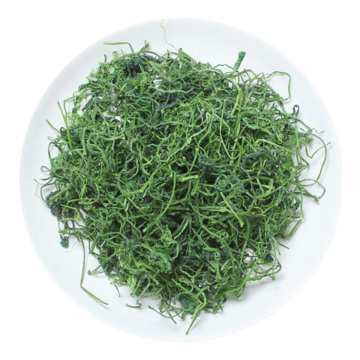
Meicha Vine Tea

Meicha is a vine-leaf infusion, despite the berry-like English translation of its Chinese name.

Read the English guide →

Rose Flower Tea

Rose flower tea can mean a flower-only infusion or black/green tea scented or blended with rose.

Read the English guide →

Peony Flower Tea

Peony flower tea needs a precise botanical and food-use identity.

Read the English guide →

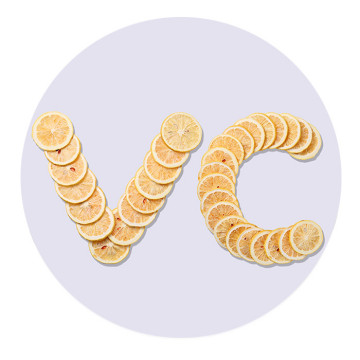
Lemon Tea

Lemon tea can be dried lemon slices in water, tea with lemon, or a sweetened lemon drink.

Read the English guide →

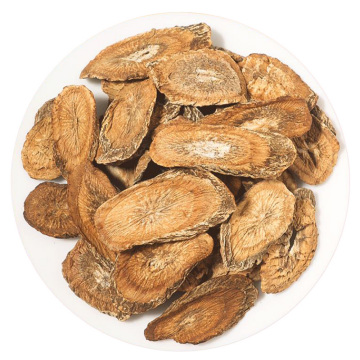
Burdock Root Tea

Burdock tea here means prepared root slices.

Read the English guide →

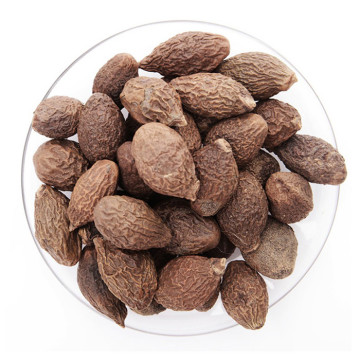
Pangdahai Seed Infusion

Pangdahai is a seed material used in Chinese medicine, known for swelling into a spongy mass in water.

Read the English guide →

Pingyin Rose Tea

Pingyin rose is a specific origin-associated product, distinct from a generic rose flower or rose-scented tea.

Read the English guide →

Dandelion Tea

Dandelion tea needs a plant-part check: leaf, root, roasted root and mixtures are different products.

Read the English guide →

Qingqianliu Leaf Tea

Qingqianliu is a leaf-infusion product associated with Cyclocarya paliurus.

Read the English guide →

Sanbao Chenpi and White Tea

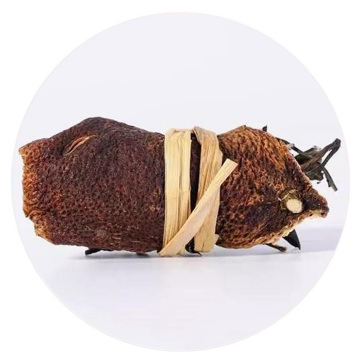
This Sanbao tea is a chenpi-and-white-tea bundle associated with a straw tie.

Read the English guide →

Mulberry Leaf Tea

Mulberry leaf tea is a prepared leaf infusion, distinct from mulberry fruit, a standardised leaf extract or a medicine.

Read the English guide →

Hawthorn Fruit Tea

This hawthorn tea concerns dried fruit slices or a labelled fruit/tea blend.

Read the English guide →

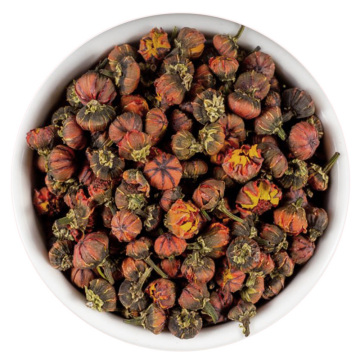
Taiju Chrysanthemum Buds

Taiju generally describes chrysanthemum flower material picked before fully opening.

Read the English guide →

Laifeng Vine Tea

This vine tea entry concerns the Laifeng-associated product, related to the meicha leaf tradition.

Read the English guide →

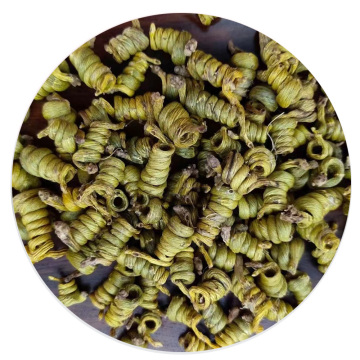
Tiepi Dendrobium Tea

Tiepi shihu generally refers here to Dendrobium officinale stem products, often coiled as fengdou.

Read the English guide →

Wubao Herbal Blend

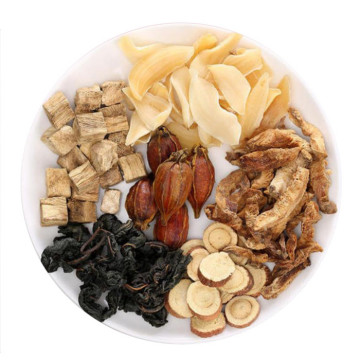
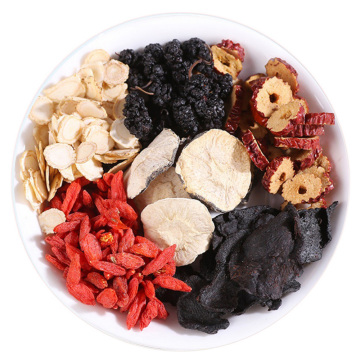
Wubao is a blend name, not a fixed five-ingredient formula.

Read the English guide →

Wuwangwo Flower Infusion

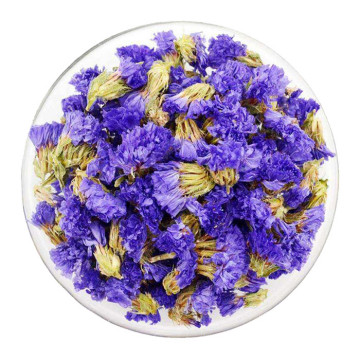
Wuwangwo is an ambiguous flower name.

Read the English guide →

Ginkgo Leaf Tea

Ginkgo leaf tea is not interchangeable with a specifically processed leaf extract.

Read the English guide →

Yulan Magnolia Tea

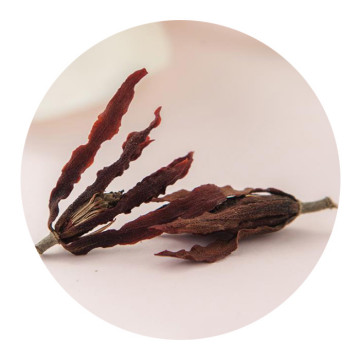
Yulan tea can describe a magnolia-scented tea base, while this old page also pictures dried flowers alone.

Read the English guide →

Corn Silk Tea

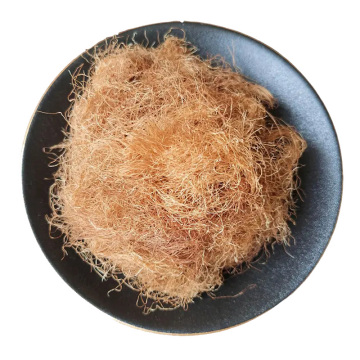
Corn silk tea uses prepared corn-silk material or a labelled blend, often bagged.

Read the English guide →

Yuqing Small-leaf Kuding

Yuqing small-leaf kuding is associated with Ligustrum robustum leaf material, distinct from large-leaf holly kuding.

Read the English guide →

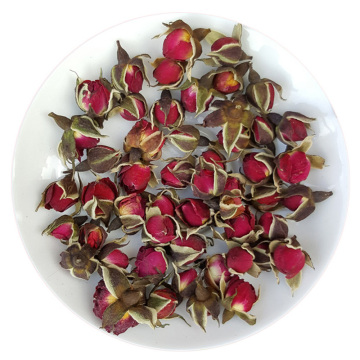
Chinese Rose Flower Tea

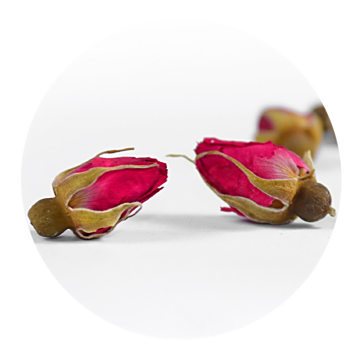
Yueji refers here to Chinese rose flower, associated with Rosa chinensis.

Read the English guide →

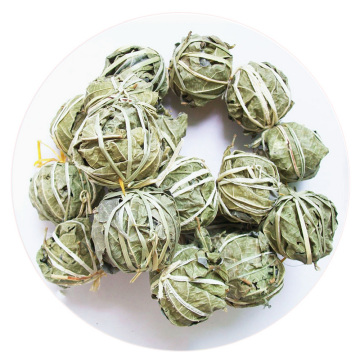
Zhegu Leaf Tea

Zhegu is a Hainan leaf infusion, often shaped or tied into bundles, rather than ordinary Camellia sinensis tea.

Read the English guide →

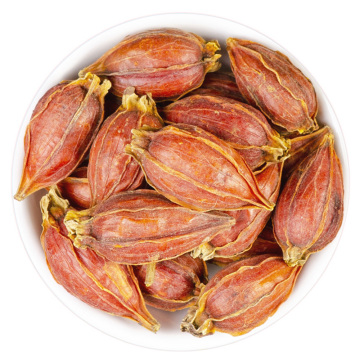
Gardenia Fruit Tea

This entry concerns prepared gardenia fruit, not jasmine-scented green tea or gardenia flowers.

Read the English guide →

Bamboo Leaf Infusion

Bamboo leaf tea requires an exact plant check.

Read the English guide →