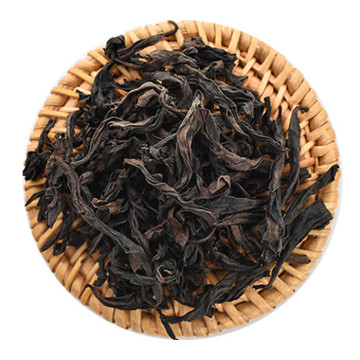
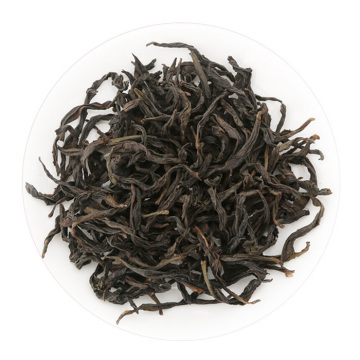
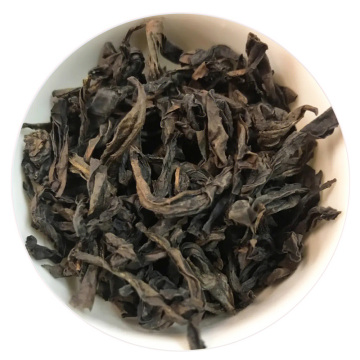
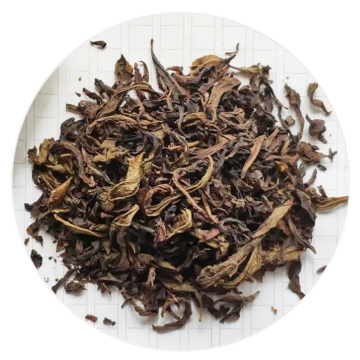
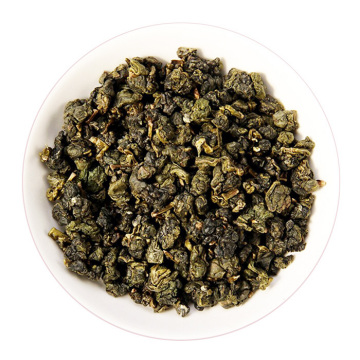
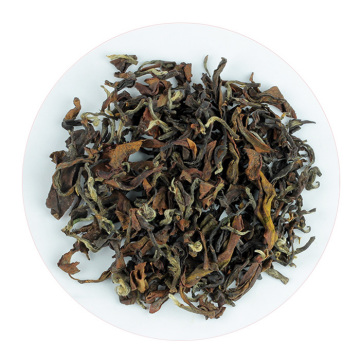
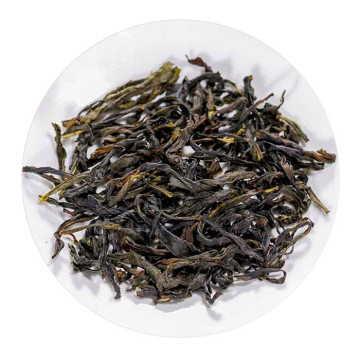
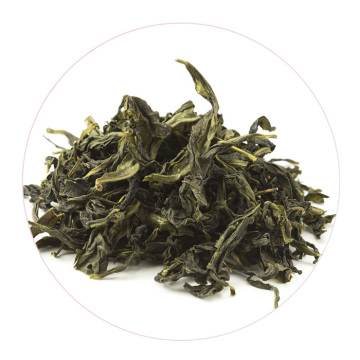
What makes it oolong?
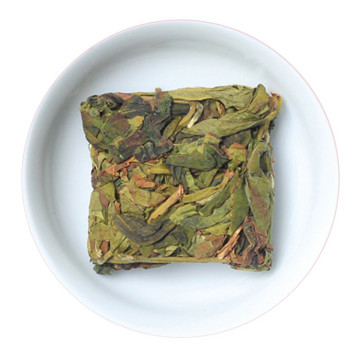
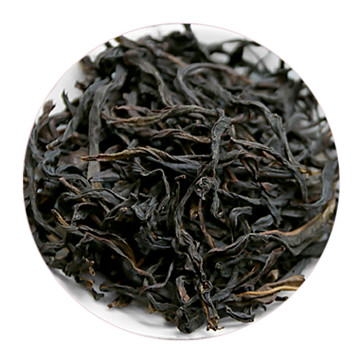
Oolong is partially oxidised tea. Chinese labels may use 乌龙茶 (wulongcha) or 青茶 (qingcha). This category covers different processing styles rather than a single fixed oxidation percentage.
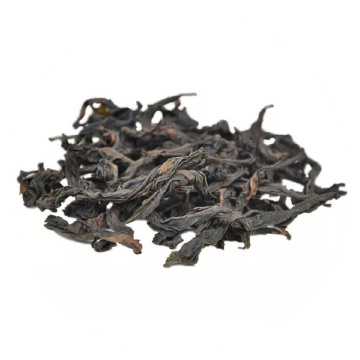
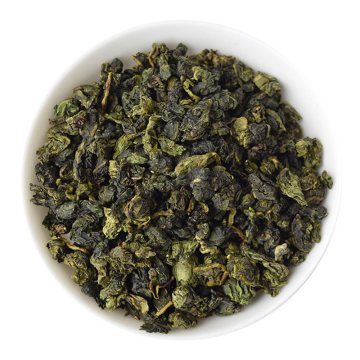
The current English collection includes Tieguanyin and Da Hong Pao. Both are oolongs; that does not make their flavours or preparation interchangeable.
Read the style as well as the name
| Guide | A useful first question |
|---|---|
| Tieguanyin | Is the product described as fresh and floral, roasted, or aged? |
| Da Hong Pao | What does the seller say about the roast, origin and blend? |
Treat a style description separately from a quality grade. Read the individual guides before comparing a greener rolled tea with a darker roasted one by appearance alone.
Choose your next cup
Explore named Wuyi guides: Wuyi Rougui, Wuyi Shuixian, Tie Luo Han, Bai Ji Guan, Shui Jin Gui, Ban Tian Yao. Read the product and each complete method rather than treating the names as a fixed grade ladder.
Each completed guide explains its original brewing diagram and the conditions stated in its prose. For a mug, use the linked ordinary-teaware guide and keep one complete method together. A high dose intended for short gaiwan infusions should not be left in a mug for the mug method’s full timing.
If you have no gaiwan, start with ordinary teaware options. If the tea is too strong, adjust your first cup rather than assuming the category is unsuitable.
More named guides: Bai Ya Qi Lan, Bei Dou, Huang Jin Gui, Yongchun Fo Shou, Zhangping Shuixian, Lingtou Dancong.
Common question
Is oolong exactly halfway between green and black tea?
“Partially oxidised” describes a category with considerable variation. It is not a universal 50% value, nor does it guarantee the same colour or flavour across all oolongs.
About this overview
Overview checked 16 October 2026. This page explains category names and reading choices; it does not assess a particular packet or report a TeaPlain brewing test. Individual English guides below have their own editorial notes and preparation conditions.
More regional guides
Dong Ding, Oriental Beauty, Phoenix Dancong, Jin Xuan, Wenshan Baozhong. Keep origin, processing and product style together when comparing.