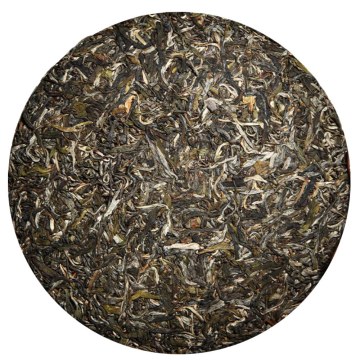
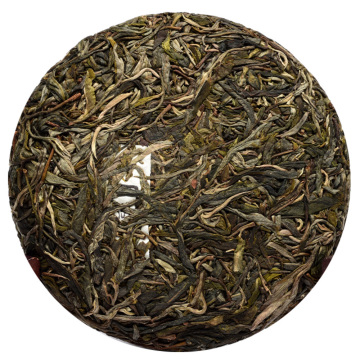
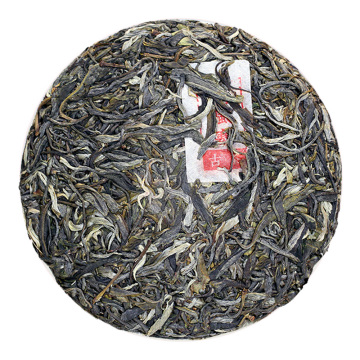
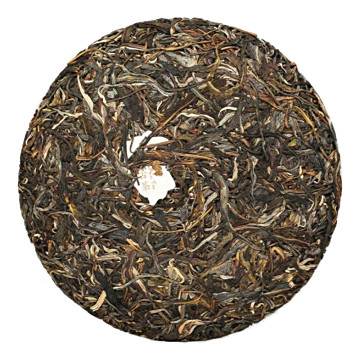
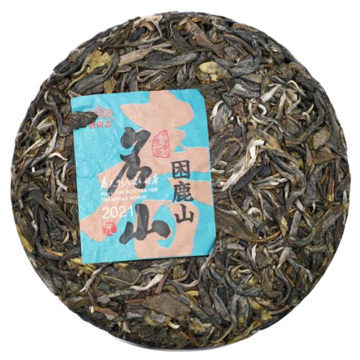
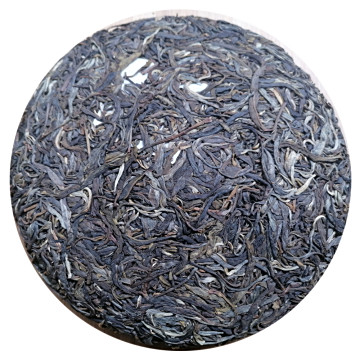
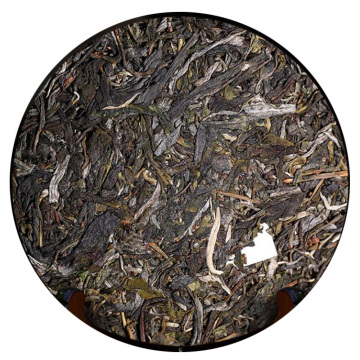
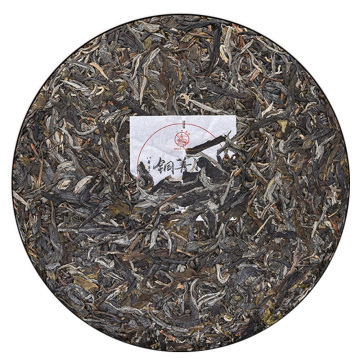
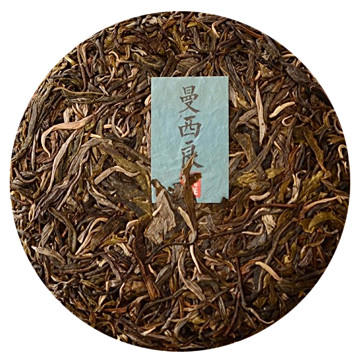
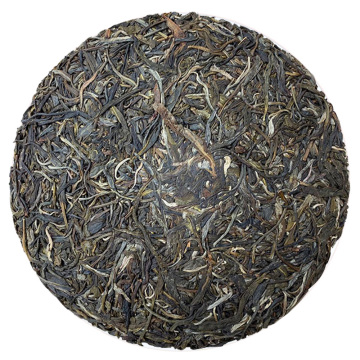
Start with raw or ripe
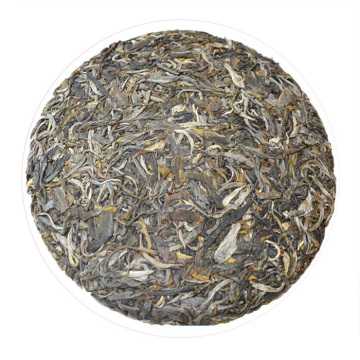
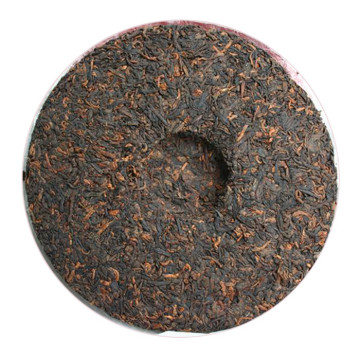
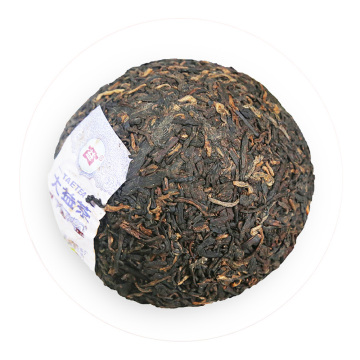
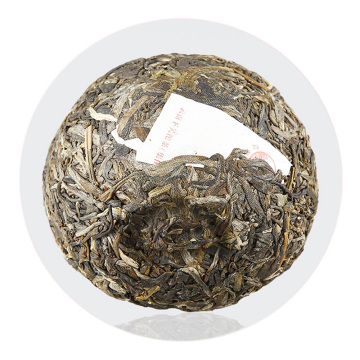
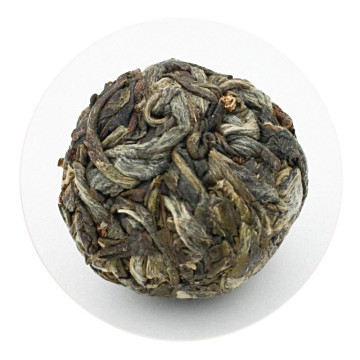
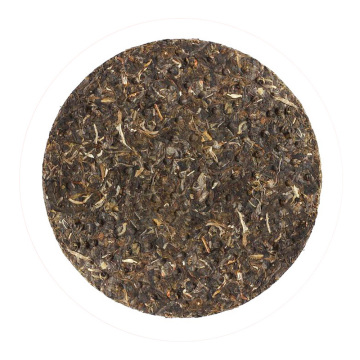
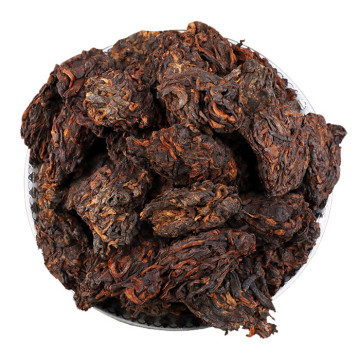
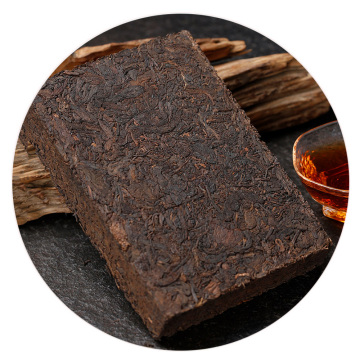
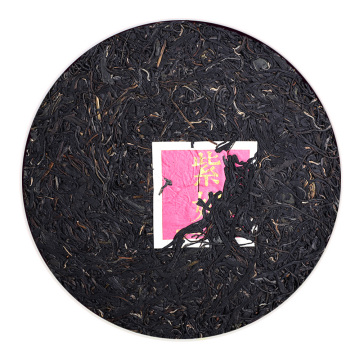
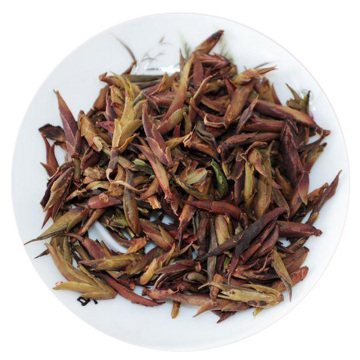
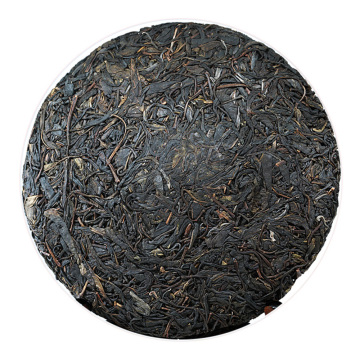
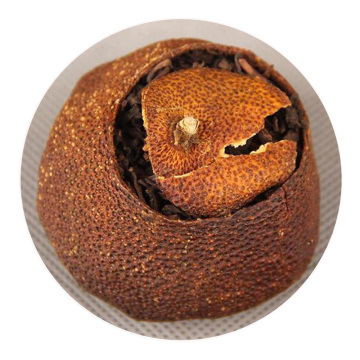
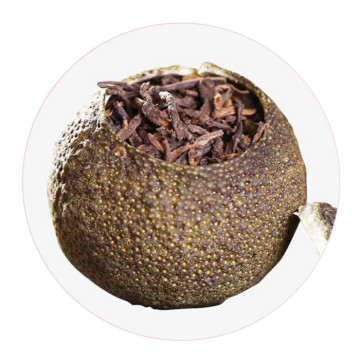
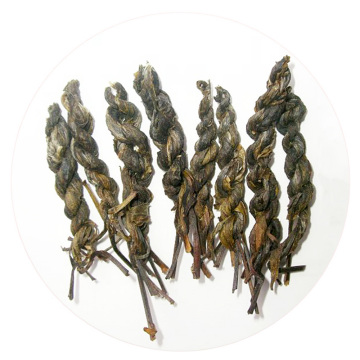
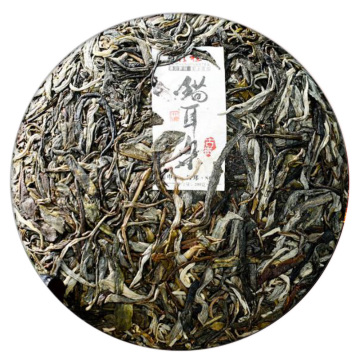
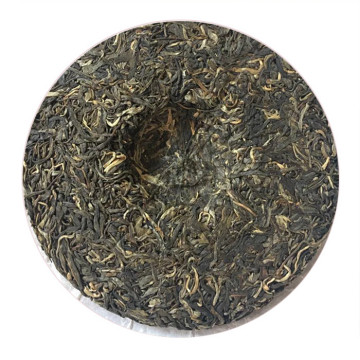
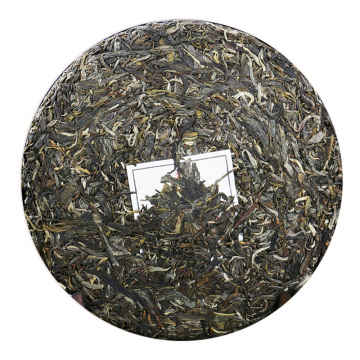
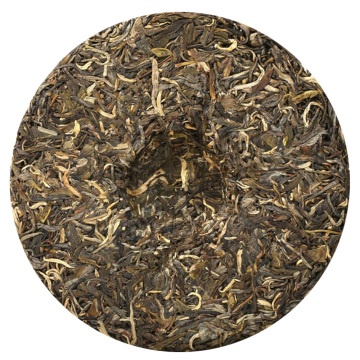
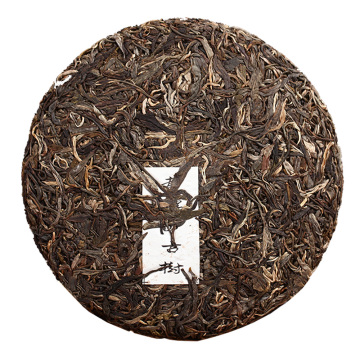
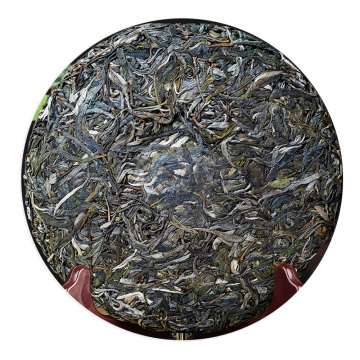
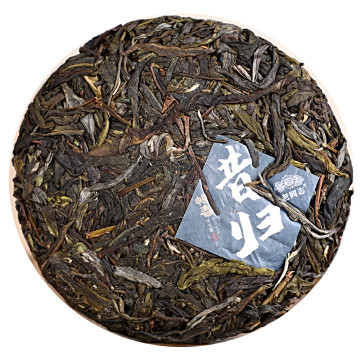
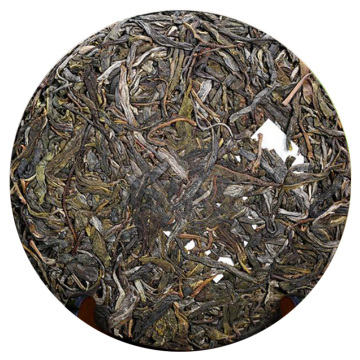
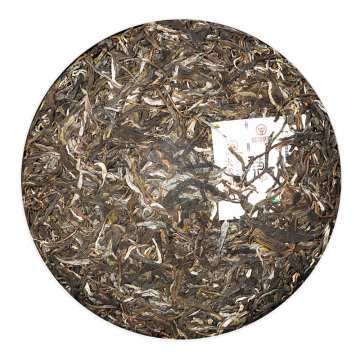
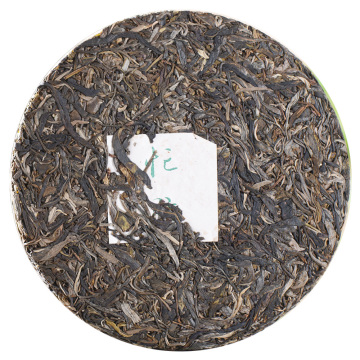
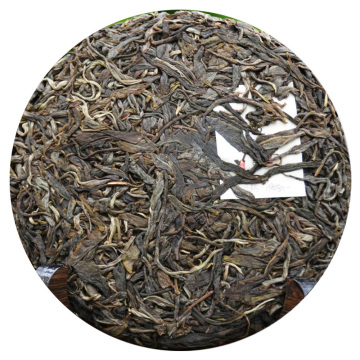
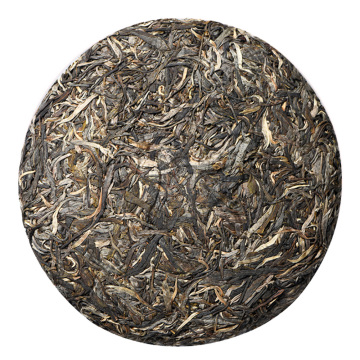
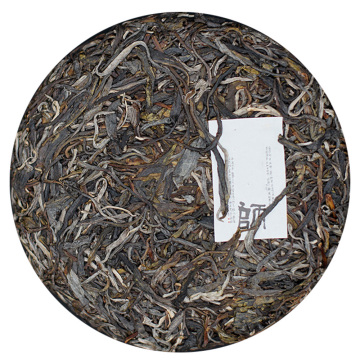
Pu-erh is associated with Yunnan and includes two important product descriptions: sheng (raw) and shou (ripe). Ripe Pu-erh undergoes an additional fermentation process. Raw Pu-erh is not simply ripe Pu-erh with less time in storage.
This directory gives Pu-erh its own browsing group because the distinction matters when identifying a packet. It is not presented as a seventh basic tea family.
Read the packet
| Wording or detail | What to establish |
|---|---|
| Sheng — 生茶 | The product is described as raw Pu-erh |
| Shou — 熟茶 | The product is described as ripe Pu-erh |
| Production date | What the producer actually dates, separately from any harvest claim |
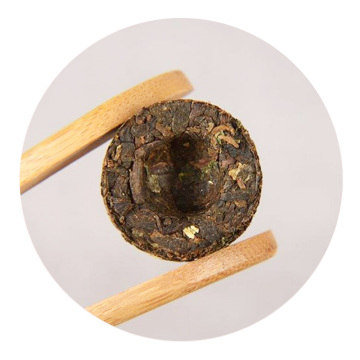
| Loose leaves or a cake | Which physical form the directions refer to |
| Origin and storage information | What is documented for this product, not inferred from the wrapper’s appearance |
Before brewing or storing
Choose the named English guide below. Ask for preparation directions that match the raw or ripe product, its form and your teaware. Do not use one generic “dark tea” recipe as a substitute.
For an unfamiliar gift, follow the first-packet guide. Keep the wrapper and follow the producer’s storage conditions. This page does not recommend a fixed ageing period, a home humidity target or an investment value.
Common question
Is every compressed tea Pu-erh?
No. Compression describes form and further processing; it does not establish the tea’s identity. Read the named tea and the producer’s description rather than deciding from a cake shape alone. See scented and reprocessed tea for the distinction between a base tea and further processing.
About this overview
Overview checked 16 October 2026. This page explains category names and reading choices; it does not assess a particular packet or report a TeaPlain brewing test. Individual English guides below have their own editorial notes and preparation conditions.