A base tea plus further processing
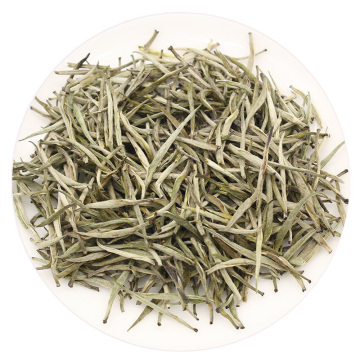
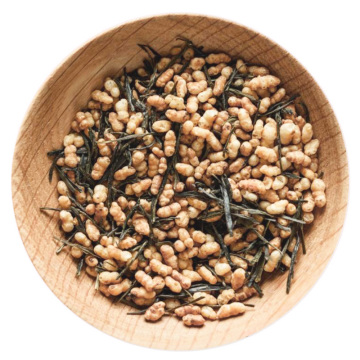
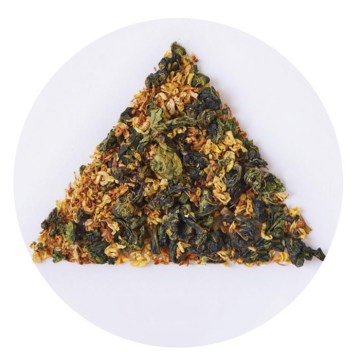
“Reprocessed tea” is a useful translation of 再加工茶: tea that undergoes further processing after its base tea has been made. Scenting and compression are examples. This is an overlapping browsing group, not a seventh basic processing family.
For a first packet, establish both what the base tea is and what has been done to it. A scent name or a shape does not provide both answers.
Scented tea is not the same as an herbal infusion
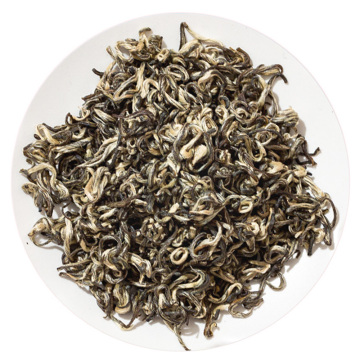
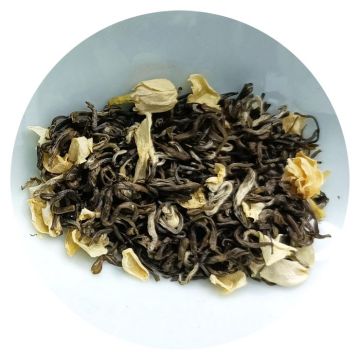
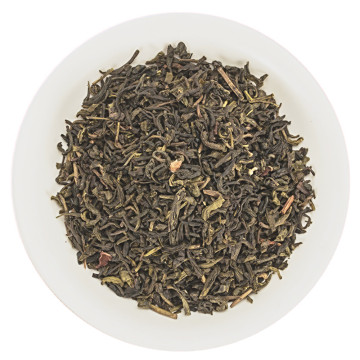
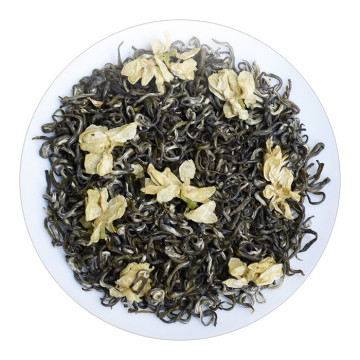
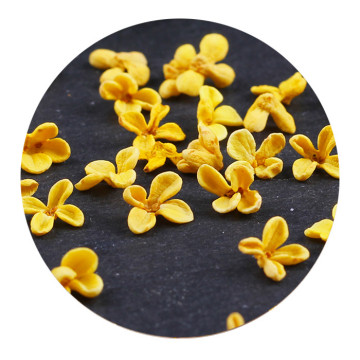
Jasmine tea can be made by bringing a tea base together with fresh jasmine flowers so the tea absorbs their aroma. The flowers may then be removed. Fuzhou jasmine scenting is an example of this process; it does not define the ingredients of every jasmine-labelled product.
The jasmine tea guide explains why visible flowers may be absent and why the base tea matters. A drink made only from flowers or other plants belongs in a different discussion: herbal and fruit infusions.
Read the packet
Check the ingredients, tea base, any stated scenting or flavouring method, and loose or compressed form. Do not assume a floral-sounding name means caffeine-free or that all scented products share the same base.
For preparation and storage, use the actual base and product directions. The current jasmine guide’s glass method is scoped to loose, green-base jasmine tea; it is not a recipe for every blend or compressed tea.
Common question
Does a flower-scented tea need petals in the packet?
Not necessarily. Scenting can transfer aroma without keeping the flowers in the finished tea. Check the product description and ingredients; the presence or absence of petals alone does not establish quality.
About this overview
Overview checked 16 October 2026. This page explains category names and reading choices; it does not assess a particular packet or report a TeaPlain brewing test. Individual English guides below have their own editorial notes and preparation conditions.